
BRTA’s Vision for Wolverton Works
What to do with the historic site? Make it yours!
Background
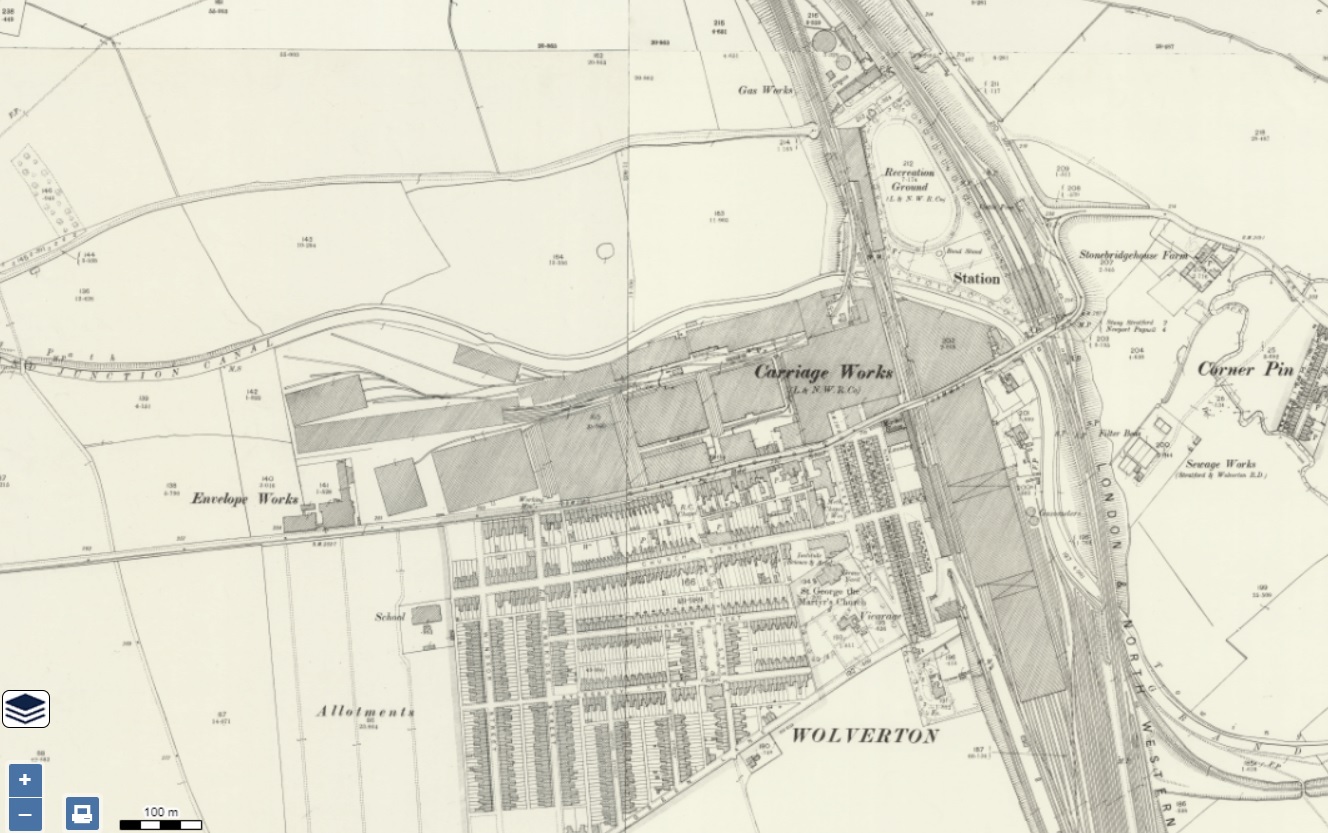
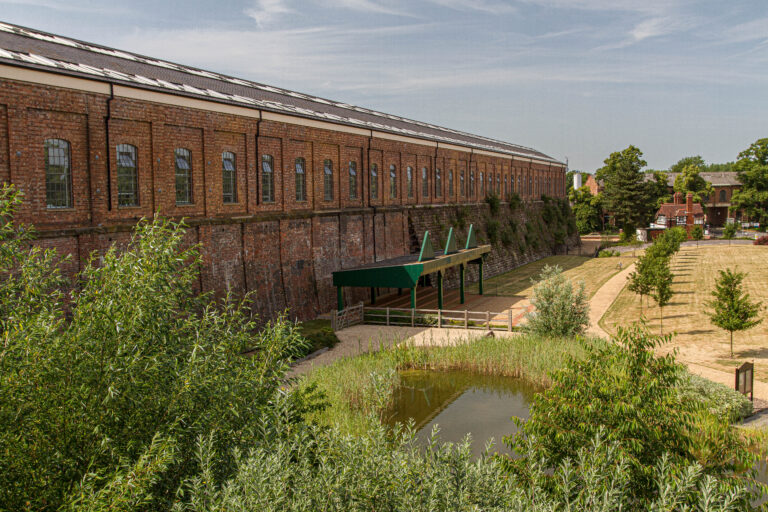
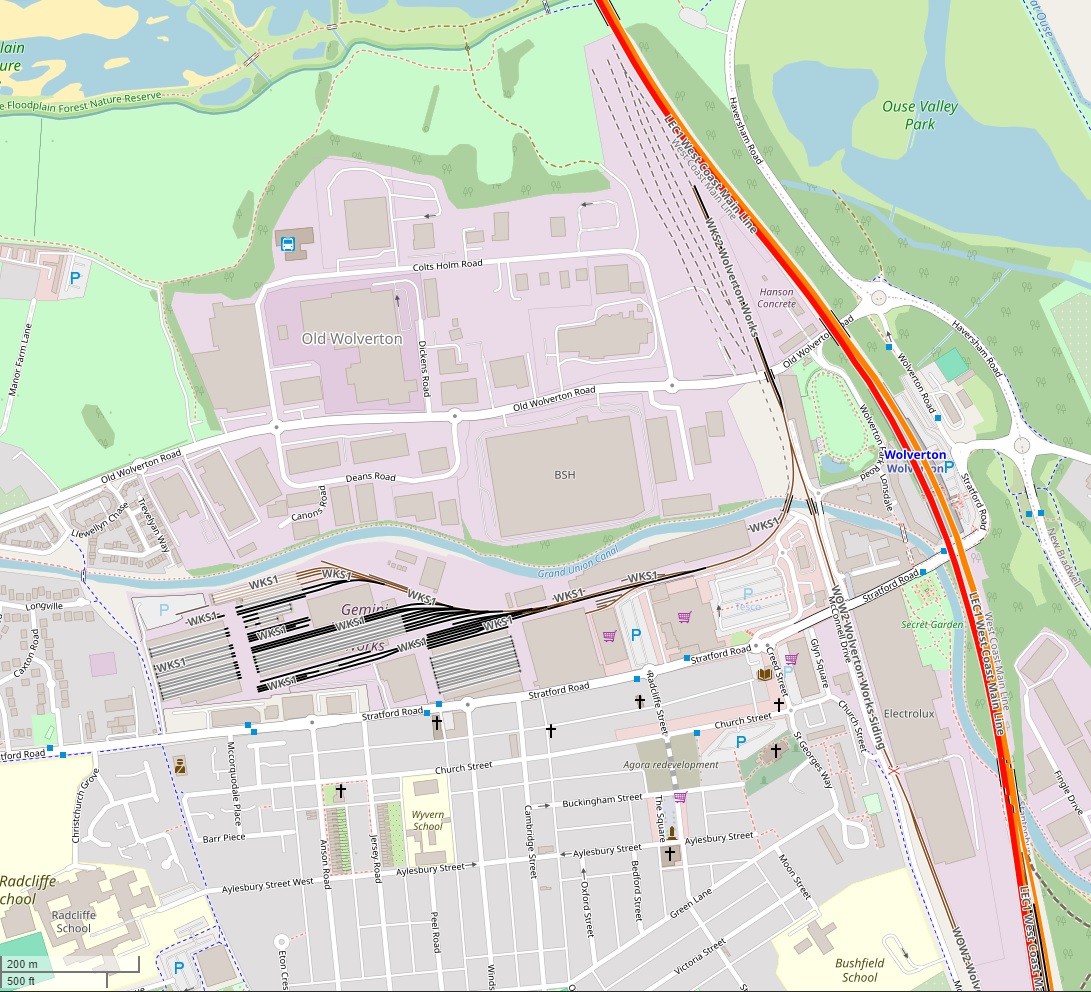
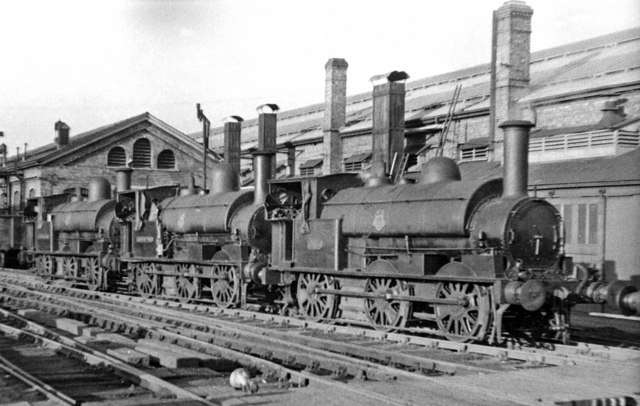
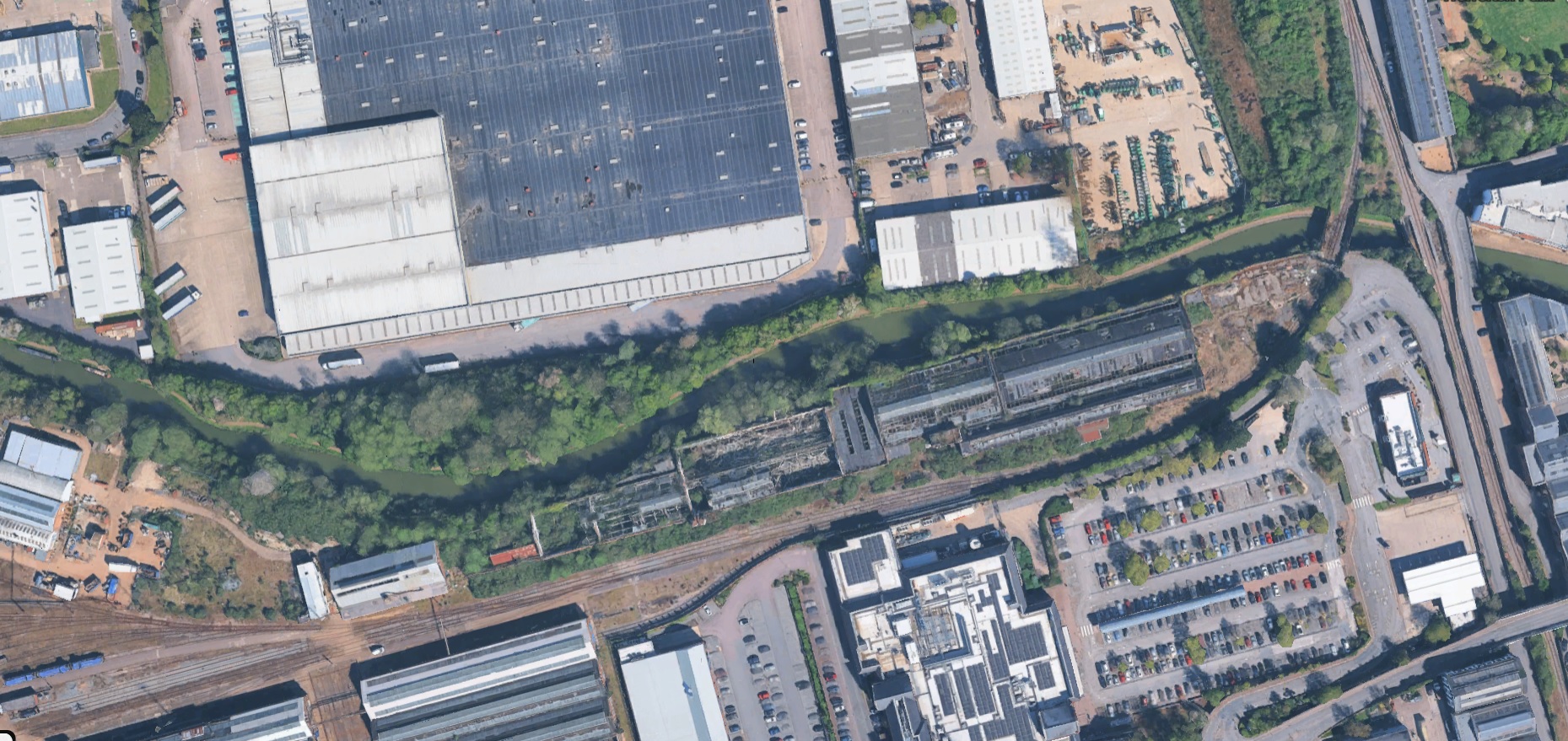
Wolverton Works opened in 1838 and was the main London North Western Railway (LNWR) workshop. In recent times, the main old site was closed and laid derelict, except for a Tesco built on a part of the former site. The link off the main line is still there and this led to sidings serving the main workshops.
The site was a substantial employer and made a huge contribution to the service, repair and turn-around of rolling stock and locomotives. Amongst the staff, many skills were honed, perfected and passed forward.
In its heyday, few could have predicted the way it would go. Now the main sheds lie derelict – a waste of space. It is a classic brown-field site but rather than knocking this heritage down and just building housing which could go anywhere, BRTA interjects with a question:
Why not repurpose the site as a major, rail interwoven, visitor attraction?
The Vision
Many rail preservation organisations struggle with where to store rolling stock, often leaving heritage assets out in the open-air, with rot as a result. Space is also required for display, restoration and salvage works.
At Shildon in County Durham, Locomotion (part of the Science Museum Group) has been a success drawing footfall and visitorship to the area. Our view is that Wolverton could be a Locomotion Mark 2!
Restoration and preservation requires skills and a dedicated focus on the acquisition of those skills. Courses with certification, apprenticeships and college links could be a springboard to interest-based vocational learning. The output would be an invaluable living heritage and training asset – a working turnaround of rolling stock and huge general resource to the preservation and charter rail ecology.
The Location
Wolverton, a historic railway location, has its own railway station and is a constituent of Milton Keynes City, housing a population of over a quarter of a million. A 10-mile radial catchment brings in the major centres of Northampton, Buckingham, Leighton Buzzard, along with towns and villages in the Marston Vale. It’s served by main line routes between London, Rugby and Birmingham and that of the emergent East-West Rail at nearby Bletchley.
A few miles away at Bedford, the development of the major Universal park is estimated to bring 55,000 visitors per month to the region. This unique rail centre is well positioned to court all of these audiences.
At Wolverton, a working length of track is possible offering ride and driving experiences enhancing the tourist draw and providing revenue streams.
Wolverton Station offers potential to cater for increases in demand such as more parking, an extra platform to cater for an enhanced East-West Rail link and better passenger facilities.
The Potential
We see a rich combination of possibilities: solar panels on the large roofs bringing revenue, a pool of skills and certificated courses, a boost to the UK rail preservation ecology. Wolverton itself would undoubtedly receive regenerative benefits.
Adding Wolverton to the railway heritage map would complement Swindon, York and Shildon, still ensuring a good geographical distribution of provision.
A library and research centre could also be established making it an important learning centre, telling the story of the railways, their contribution and relevance now and tomorrow.
The UK Preservation Scene
The ecology of the preservation movement must also be factored in. Many heritage outlets existed to salvage old rail routes closed during the 1960s – closures which many believe went too far. They then became a successful way to keep routes open but, in some cases, have become a blockage to full public service reopening.
The country can only sustain so much – be it the supply of volunteers, visitors spending money and general support. Some coordination, consolidation, sharing best practice and ideas, talent and services and resources is needed.
Wolverton has a critical and niche role to carve out in this landscape. It could make the difference for many between going bust or remaining active.
Funding
It is BRTA’s wish that Milton Keynes City Council adopts the idea and vision for Wolverton Works. Research into funding pots is needed for phased incremental growth and investment. Project coordination and leadership must take input and consultations along the way. There’s also a strong role for the Wolverton and Greenleys Town Council here to make this project happen.
The Government recently gave £3 million to the NRM. In view of the potential for economic and social growth, BRTA says why not Wolverton Works next?
HOW TO ADD YOUR VOICE
Write in support of this scheme to your local councillors and MP:
members.parliament.uk/members/commons
or www.writetothem.com
It’s powerful to write to your MP or councillor in your own words, telling your representative about your own beliefs and experiences and how they relate to this area. See below.
Join BRTA as a member to support this and other heritage and re-opening campaigns
Volunteer with BRTA if you share our vision and want to help bring it about.
Could you help push this campaign forward?
Donate to BRTA to help us advocate for heritage facilities fit for the 21st century!

Think about the following questions when composing your letter to MPs / councillors:
- What journeys do you make? Work? Leisure? Appointments / visits?
How could this link improve the journeys you make? - Do you actively choose road over rail or bus? Why?
- Do you consider where you live to be well served by public transport?
- Do you have experience of new areas of housing and public transport?
- What are your experiences of the road journeys you make in the region?
- Have you made employment, school or relocation decisions based on journey times or access to public transport? Or on the lack of access to public transport?
- What are your thoughts on the environmental impact of your journeys?
- Do you have accessibility needs that affect journey decisions you make?
- What do you think about air pollution in your area?
- What are the most important transport related issues to you? Why? Journey times? Road congestion reduction? Pollution reduction? Accessibility? Taking freight off the roads in your area? A better connected region?
- What should be done next to make this happen?
Our tips: - Even if your MP is not in this region, your letter provides them with an opportunity to learn about the issue and take action themselves.
- Aim for your letter to be no longer than one and a half sides of A4.
- Engage. Get your representative’s attention with a dramatic fact or short statement.
- State the problem. Present the causes of the problem you just introduced. How widespread or serious is the problem?
- Inform them about the solutions that reopening would bring.
- Call to Action. Let them know what you want them to do about it.
- Ask for a response.